
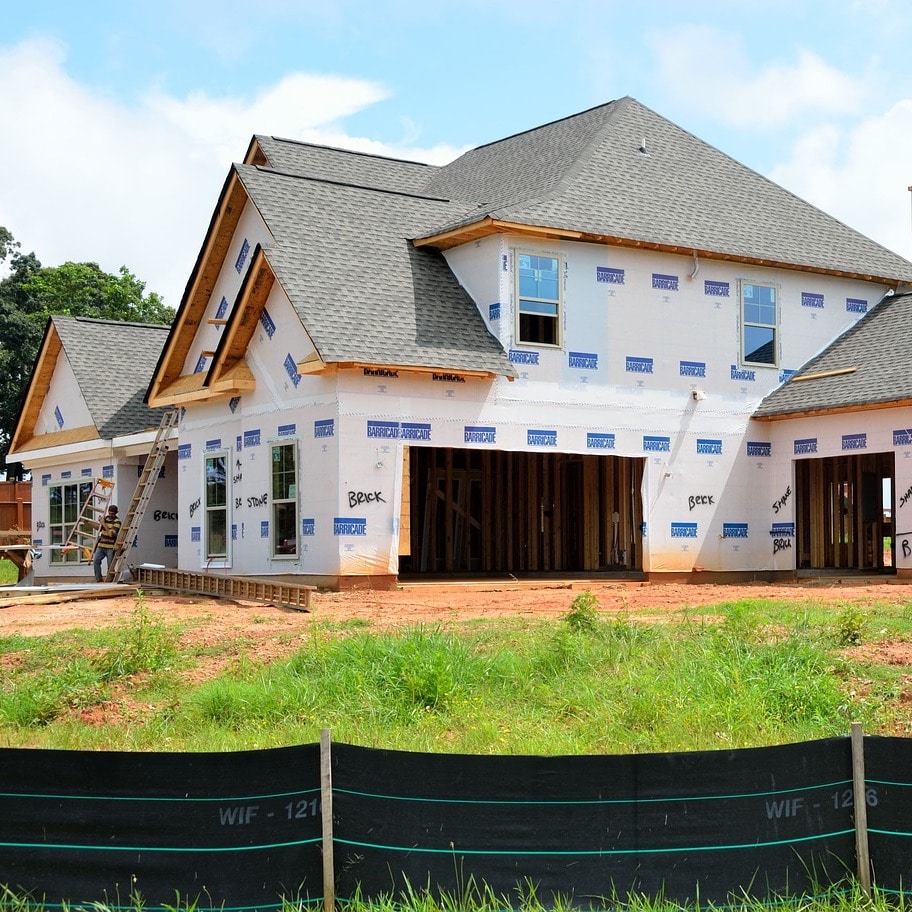
Key Takeaways:
- New construction homes in Dallas-Fort Worth are not immune to defects — builder inspections check for code compliance, not overall quality or completeness on your behalf.
- A construction-experienced independent inspector can identify installation errors, material defects, and overlooked work that could cost thousands to fix after closing.
- Schedule inspections at three critical phases: pre-drywall, final walkthrough, and the 11-month warranty window — missing any one of them leaves you exposed.
Why Your New Construction Home Still Needs an Expert Inspector
The New Construction Inspection Myth That Costs Buyers Thousands
You signed the contract. You watched the foundation pour. You visited the framing stage and took photos. Now you’re days from closing on a brand-new Dallas-Fort Worth home, and someone suggests hiring an independent inspector.
Your first reaction? Why would I need that? The city already inspected it.
This is the most expensive misconception in new construction real estate.
Municipal inspectors in Texas are responsible for verifying code compliance — a narrow mandate focused on minimum legal standards. They are not working for you. They are not checking whether your HVAC system was installed to manufacturer specifications, whether your roof sheathing is properly fastened, or whether your insulation has been correctly placed before drywall concealed it permanently. Their job ends when a box gets checked.
A new construction home inspection performed by a qualified, independent professional is an entirely different evaluation. It examines quality, completeness, and workmanship — things that directly affect how your home performs and holds its value over time.
In the Dallas-Fort Worth market, construction timelines are aggressive. Builders are managing dozens of homes simultaneously across sprawling developments. Subcontractors rotate between job sites. Supervision is stretched thin. These are not excuses — they are realities that create conditions where errors happen, even on reputable projects.
The consequences? Improperly flashed windows that allow water intrusion. HVAC ducts with disconnected joints losing conditioned air into your attic. Electrical panels with missing breakers or improper grounding. Plumbing rough-in mistakes hidden behind finished walls. None of these issues are visible to the untrained eye. All of them are avoidable when caught early.
Skipping an independent inspection on a new construction home is not confidence in the builder — it is a gamble with your largest investment.
Common New Build Issues Only Construction Experts Recognize
Experience changes what you see on a job site. Someone who has spent decades working in construction — not just inspecting homes — understands how trades are supposed to perform their work and what shortcuts look like in practice.
At Stonebriar Property Inspections, Keith Boggs brings 25 years of construction industry experience to every new build inspection he performs. That background enables him to identify issues that go well beyond what a standard visual checklist captures.
Here are the categories of problems that appear repeatedly in DFW new construction:
Structural and framing issues: Improper header sizing, missing structural connectors, inadequate bracing, and framing that does not align with engineered plans. These defects are only visible before drywall — which is precisely why a pre-drywall inspection is so valuable.
Roofing and envelope failures: Improperly installed flashing at roof penetrations, valleys, and wall junctions. Missing or misapplied underlayment. Incorrect shingle fastening patterns. These errors accelerate wear and create leak pathways that may not appear until the first major rainstorm.
Mechanical system installation errors: HVAC systems sized or configured incorrectly for the home’s load. Duct connections that are loose, uninsulated, or routed poorly. Water heater installations that do not meet manufacturer or code requirements. These affect both comfort and energy efficiency from day one.
Electrical deficiencies: Double-tapped breakers, reversed polarity at outlets, missing GFCI protection in required locations, and improperly bonded panels. These are safety hazards, not cosmetic concerns.
Insulation and air sealing gaps: Texas summers punish homes with incomplete insulation coverage or unsealed penetrations. These gaps are invisible after drywall but drive up energy bills and reduce indoor comfort for the life of the home.
The International Association of Certified Home Inspectors recognizes new construction inspection as a specialized discipline — and for good reason. Recognizing these defects requires fluency in construction methods, not just a familiarity with inspection checklists.
A comprehensive 600-point inspection system systematically addresses each of these categories, ensuring nothing is overlooked during the evaluation.
How Builder Quality Control Differs from Independent Assessment
Builder quality control and independent inspection serve fundamentally different purposes. Understanding that difference protects your interests.
A builder’s quality control process is designed to keep the project on schedule, meet code minimums, and manage their own liability. Inspectors employed or contracted by the builder answer to the builder. Their checklists reflect the builder’s standards and workflow — not necessarily what is best for you as the buyer.
An independent inspector answers only to you. Their evaluation is not filtered through production timelines or builder relationships. They assess the home from the perspective of someone who will live in it and pay to maintain it.
This distinction matters enormously in practice. A builder’s walk-through team may note a cosmetic scratch on a cabinet door but overlook an improperly supported HVAC line set in the attic. An independent inspector working with construction expertise will find both — and will document them in a report you own and can act on.
Texas does not require builders to disclose every defect discovered during their internal reviews. Your independent inspection report, however, is your documentation. It supports warranty claims. It provides negotiating leverage before closing. It creates a written record if disputes arise later.
The Texas Association of Realtors encourages buyers to exercise their contractual right to independent inspections — including on new construction. Many buyers do not realize this right exists or that builders cannot legally prevent it.
Schedule your pre-closing inspection before you reach the final walkthrough stage. Do not wait until the last moment.
The 11-Month Warranty Inspection: Your Last Safety Net
Most new construction homes in Texas come with a one-year builder warranty. This warranty covers defects in materials and workmanship — but only if you identify and report them before the coverage expires.
The 11-month warranty inspection is designed specifically for this window. It occurs after you have lived in the home long enough for defects to reveal themselves through seasonal changes, normal use, and time — but before your warranty closes.
This inspection is not optional if you want to protect what you paid for.
In the first year of a new home’s life, settlement occurs. Caulk separates. Grading shifts. HVAC systems operate through their first full seasonal cycle. Plumbing connections experience pressure and temperature changes. Issues that were invisible at closing become apparent — if someone is looking for them.
A warranty inspection conducted by an inspector with deep construction experience goes beyond surface-level documentation. It evaluates the home’s performance against what was promised and what was built. The resulting report gives you a clear, organized list of items to submit to your builder for remediation under warranty — before that coverage disappears permanently.
Missing this window means paying out of pocket for repairs that should have been the builder’s responsibility. In the Dallas-Fort Worth market, where summer heat stress-tests every system in a home, the 11-month inspection is particularly important.
Do not let your warranty expire without using it. Learn more about our warranty inspection process and schedule before the deadline approaches.
Questions New Construction Buyers Must Ask Their Inspector
Not every inspector is equally qualified to evaluate new construction. Choosing the right professional requires asking the right questions before you hire anyone.
1. Do you have direct construction industry experience?
Inspection credentials matter. Construction experience matters more for new builds. An inspector who has worked in the trades understands how systems are installed, what proper workmanship looks like, and where builders cut corners under time pressure.
2. Do you offer pre-drywall inspections?
This phase is the most valuable inspection point in new construction. Once drywall goes up, structural framing, insulation, rough-in plumbing, and electrical are permanently concealed. If your inspector does not offer this service, find one who does.
3. What does your inspection system cover?
A thorough new construction inspection process should be documented and comprehensive. Ask whether the inspector uses a structured system and how many checkpoints it covers.
4. Will my report be clear enough to support a warranty claim?
Your inspection report is only as useful as it is actionable. Reports should include specific defect descriptions, photographic documentation, and clear language that supports warranty submissions and contractor communication.
5. Are you familiar with DFW construction standards and local builder practices?
Local knowledge matters. A DFW-experienced inspector understands regional soil conditions, common local builder practices, and climate-specific vulnerabilities — from foundation performance in expansive clay soils to roof performance in severe weather. Contact Stonebriar Property Inspections to discuss your specific development and timeline.
According to the U.S. Census Bureau’s New Residential Construction data, North Texas consistently ranks among the highest-volume new construction markets in the country. High volume means high pace — and high pace increases the risk that quality issues go undetected without independent oversight.
In 2026, DFW buyers are entering some of the most competitive new construction markets in the state. Protecting your investment means going beyond builder assurances. It means hiring an expert who is on your side, with the experience to back it up.
Frequently Asked Questions
Do new construction homes really need professional inspections?
Yes — every new construction home benefits from independent professional inspection. Even homes built by reputable builders can contain construction defects, code violations, and quality control oversights that are not identified during municipal or builder reviews. An independent inspector evaluates the home from the buyer’s perspective, not the builder’s, and documents issues while you still have leverage to address them.
What problems are common in new construction homes?
New construction homes frequently exhibit installation errors in HVAC, plumbing, and electrical systems; material defects hidden before drywall installation; incomplete or improperly applied insulation; roofing and flashing deficiencies; and framing issues that affect structural integrity. Many of these problems are only visible at specific construction phases — which is why phase-based inspection is so important.
When should I schedule inspections for new construction?
Buyers should schedule three inspections for comprehensive new construction protection: a pre-drywall inspection before insulation and drywall conceal structural and mechanical systems; a final inspection before closing to document visible defects and incomplete work; and an 11-month warranty inspection before builder warranty coverage expires. Each phase provides unique protection that the others cannot replicate.
Why can’t I rely on builder inspections alone?
Builder inspections are conducted by parties who answer to the builder, not to you. Their primary focus is code compliance and production schedule — not quality of workmanship, completeness of installation, or protection of buyer interests. An independent inspector has no financial relationship with the builder and evaluates the home solely on your behalf, producing documentation you own and can use for warranty claims, negotiations, or future disputes.